







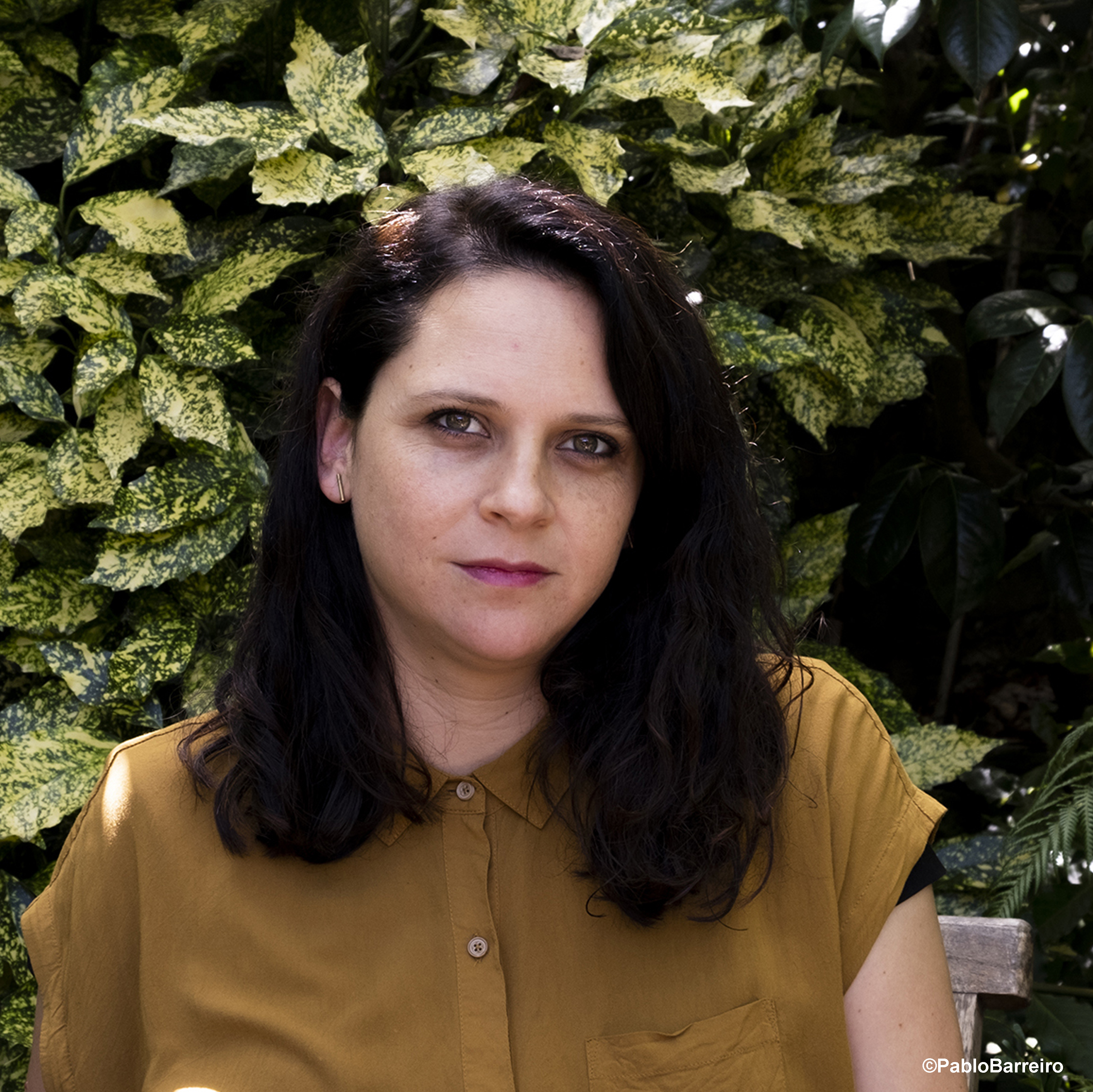
Born in Donostia-San Sebastián, is a filmmaker who reflects on material, the body, and memory to create sensory narratives deeply rooted in the land. Her studies at FAMU school in Prague and the HFF in Munich were crucial in understanding cinema through plastic experimentation, with short films that have won awards at multiple festivals before establishing a personal voice in the cinematic landscape. Her first feature film, “Arima” (2019), had a significant international journey, standing out for its immersive atmosphere and understanding of mystery and identity in an enigmatic play of presences and absences that blends the physical and the spectral. With her film “O Corno” (2023), she takes a step forward in her understanding of the feminine and the earthly, telling the story of a midwife who embarks on a journey of escape and resistance. After its premiere at the Toronto Film Festival, this film made her the first Spanish director to win the Golden Shell at the San Sebastián Film Festival, solidifying her place in international auteur cinema. Her films have been shown in over 60 countries, and she has participated in festivals such as Toronto, BFI London, Busan or San Sebastián.
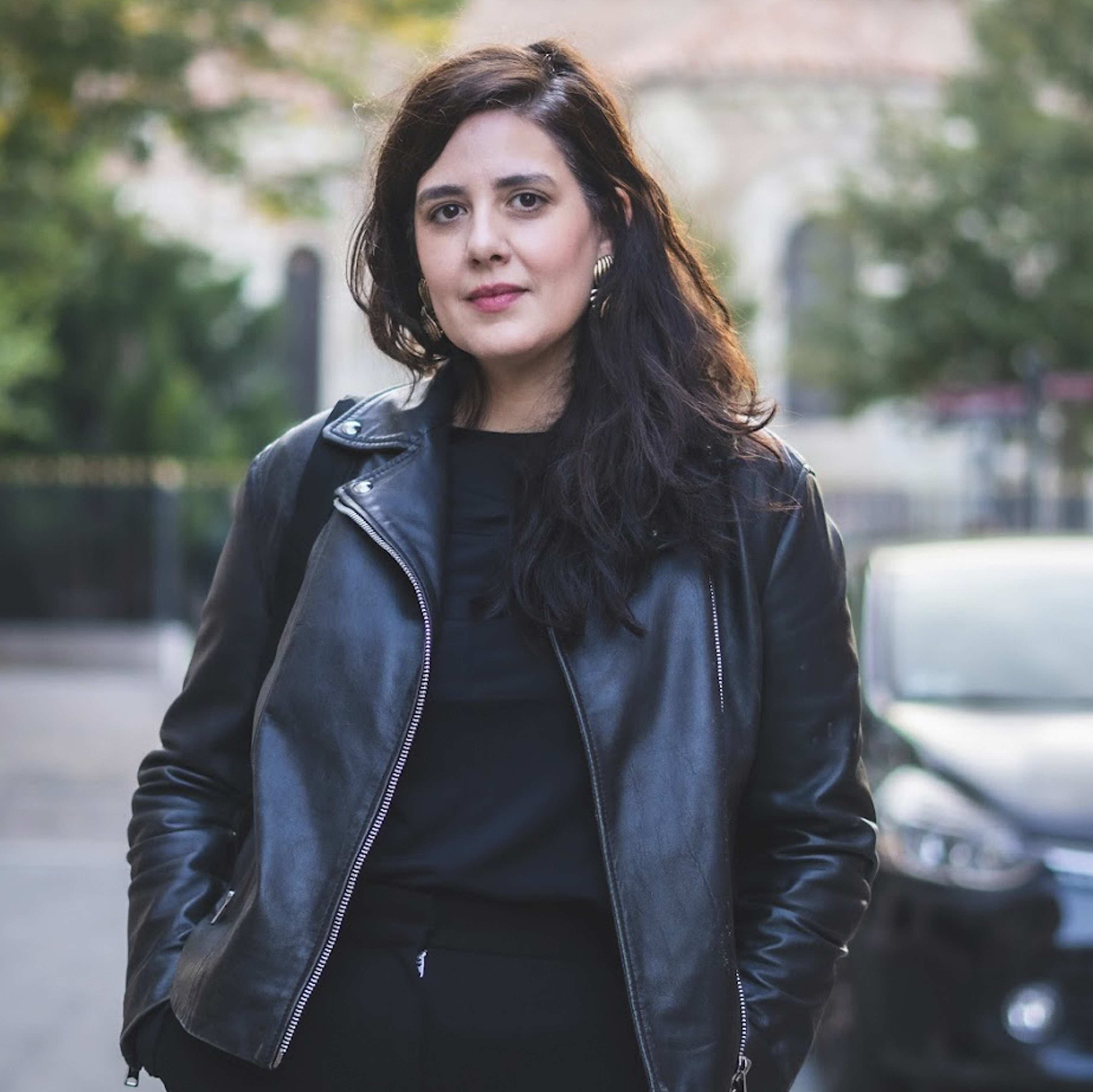
Born in Barcelona, she studied film and audiovisuals at the Escola Superior de Cinema i Audiovisuals de Catalunya (ESCAC), as well as a Master's Degree in Screenwriting at the prestigious Cuban film school EICTV in San Antonio de los Baños. She has directed two short films and two feature films. The first was La hija de un ladrón, a film premiered in the Official Selection of the San Sebastian Film Festival, where it won the Silver Shell for Best Actress for Greta Fernández. That same year, the film was awarded the Goya for best new director. Her second project, Los Tortuga, had its international premiere in the official section of the Toronto International Film Festival (TIFF) and later at the Festival de Málaga, where it won three Biznagas: Best Director, Best Screenplay and the Special Jury Award. Her feature and short films have been screened at the most renowned international festivals.
She is currently working on writing a new story with filmmaker Pilar Palomero while continuing to work as a teacher and script consultant.
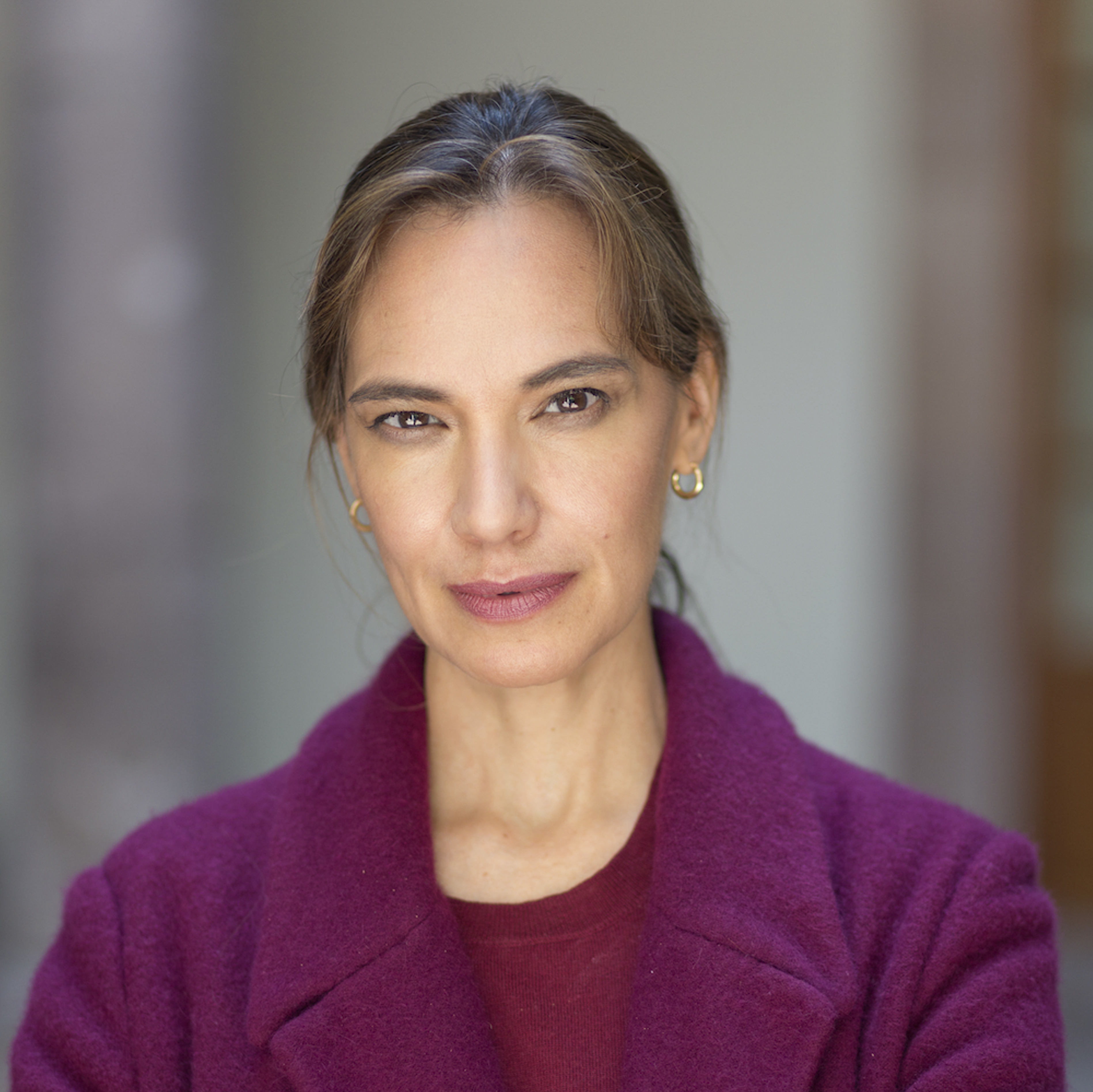
Director of the Morelia International Film Festival since 2003, of which she is also a founder. This festival has an official link with the Cannes Film Festival Critics' Week. She studied English Literature at the Faculty of Philosophy and Arts of the UNAM, after a time at the Film Training Centre. For more than a decade she has presented various programmes on classic Mexican cinema at major foreign institutions such as the MoMA in New York and Film Streams, invited by Alexander Payne.
In 2024, she received the Vittorio Boarini Award as part of the 2nd Cinema Ritrovato Festival. This award is given to outstanding figures in the preservation and dissemination of film heritage on an international level. She was part of the jury for the Rockefeller Foundation Audiovisual grants, Fulbright García-Robles Film grants, J. William Fulbright Prize for International Understanding, and the Rolex Mentor and Protégé Artistic Initiative, as well as a jury member at film festivals including the Un Certain Regard section and Critics’ Week at Cannes, Berlin International Film Festival, Venice Film Festival, Sundance Festival, Locarno International Film Festival, Rotterdam Film Festival (IFFR), International Film Festival of San Sebastián, Karlovy Vary International Film Festival, International Documentary Film Festival Amsterdam (IDFA), Rome Film Festival, Sarajevo Film Festival, Fribourg International Film Festival, San Francisco International Film Festival, Cartagena de Indias International Film Festival, Red Sea International Film Festival and the Transilvania International Film Festival.
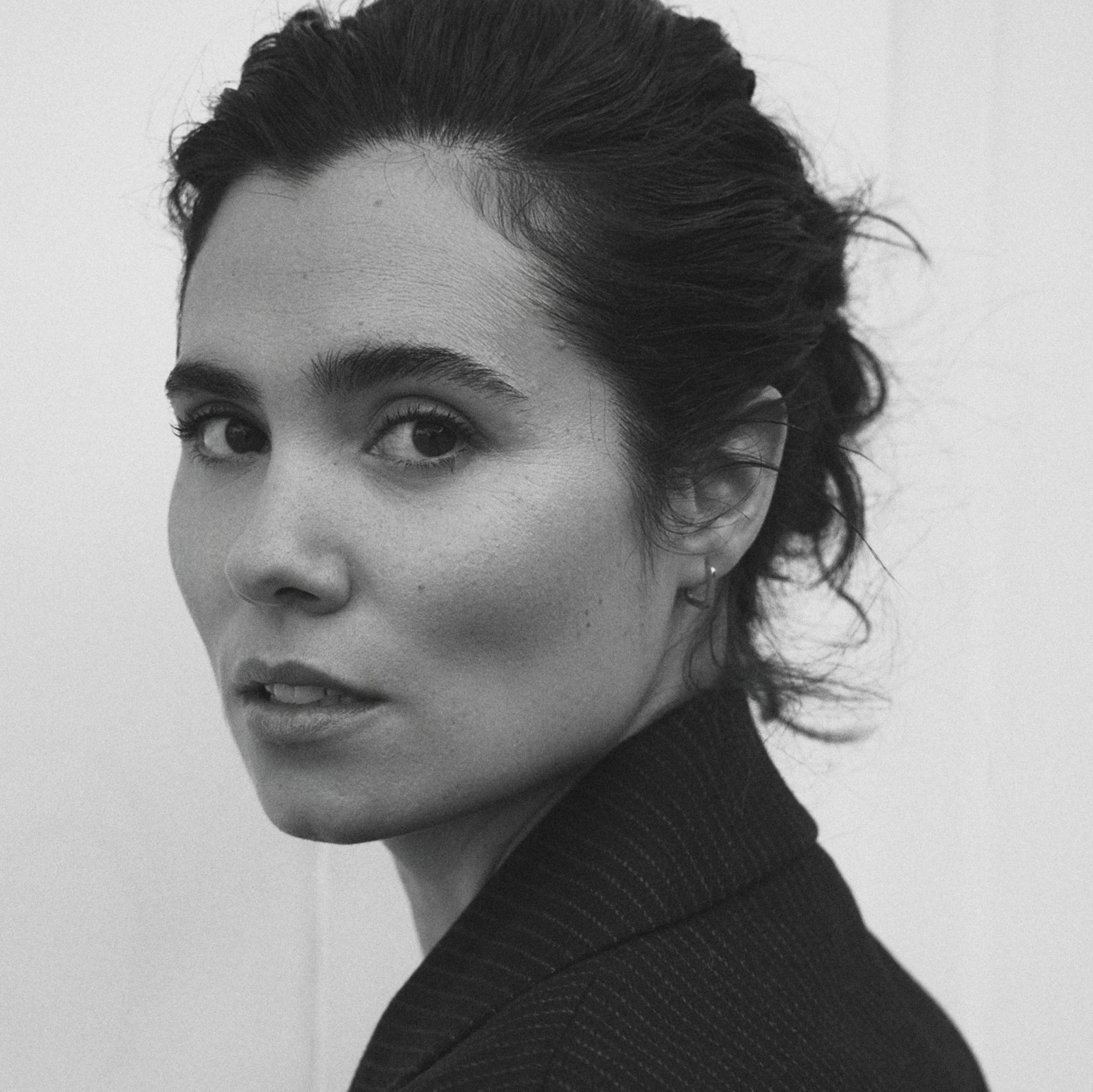
Consolidated as one of the most recognised faces of the Spanish audiovisual industry, she has an extensive professional career.
After some very popular works such as El secreto de Puente Viejo, she is part of the cast of Patria, one of the most relevant series on television, which has won her the Platinum Award and the Feroz Award for Best Supporting Actress in 2021.
On the silver screen, one of her most recent projects is in La buena letra, a feature film directed by Celia Rico and presented at the Festival de Málaga in 2025, where her performance was praised for its sensitivity, restraint and emotional depth.
She has participated in films such as Oriol Paulo's Los renglones torcidos de Dios, Alberto Gastesi's La quietud de la tormenta , Carlota Pereda's La ermita, 8 by Julio Medem and María Ripoll's El fantasma de mi mujer, extending her register to diverse genres and styles. In television she has also worked in productions such as La chica de nieve and Querer, for which she was also a Feroz Award nominee for Best Supporting Actress, demonstrating a remarkable versatility in contemporary drama and thrillers.
She also maintains a strong link with the theatre. After forming part of the National Classic Theatre Company in productions including Fuenteovejuna and La Villana de Getafe, she stars in Alexis Michalik's Una historia de amor, confirming her interest in emotionally charged contemporary texts. She will soon premiere the play El Jardín Quemado at the Abadía Theatre, with text and direction by Juan Mayorga, and starring alongside Adriana Ozores.
A versatile and committed actress, Loreto Mauleón continues to develop a solid and coherent career within the Spanish audiovisual and stage scene.
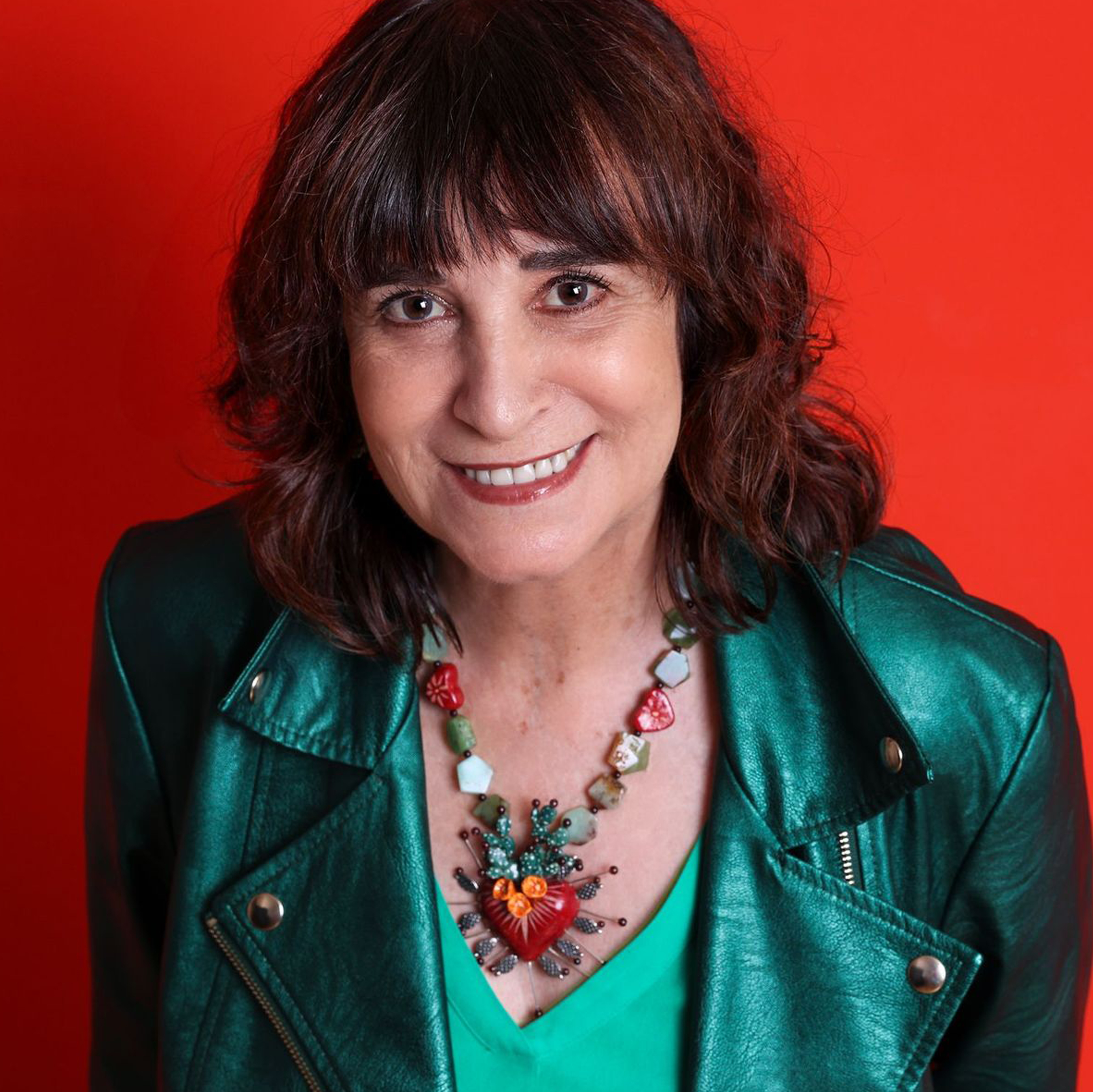
Rosa Montero was born in Madrid and studied journalism and psychology.
She has worked for El País newspaper since 1977. Her first novel, Crónica del desamor, was published in 1979 and, since then, she has published novels, essays, biographies and short stories. She also wrote the script for a television series, Media Naranja (1986) for RTVE, which won the Martín Fierro award for best foreign production in Argentina (1988), as well as librettos for operas. Some of her works include La hija del caníbal (1997), La Loca de la casa (2003), Historia del rey transparente (2005), La ridícula idea de no volver a verte (2013), La buena suerte (2020) and El peligro de estar cuerda (2022). Her latest book is Animales difíciles (2025). Several of her novels have been made into films and her work has been translated into nearly thirty languages.
She was awarded the National Prize for Literary Journalism (1980), the National Prize for Literature (2017), the Gold Medal for Merit in Fine Arts (2022) and the Officer of Arts and Letters of the French Republic (2024).
In the 1970s, she worked for Fotogramas magazine and repeatedly covered various national and international festivals as a journalist and critic. She has been a member of the jury at the San Sebastian Film Festival, the Valladolid Film Festival and the Lima Film Festival (Peru), as well as at the Festival de Málaga in 2004.
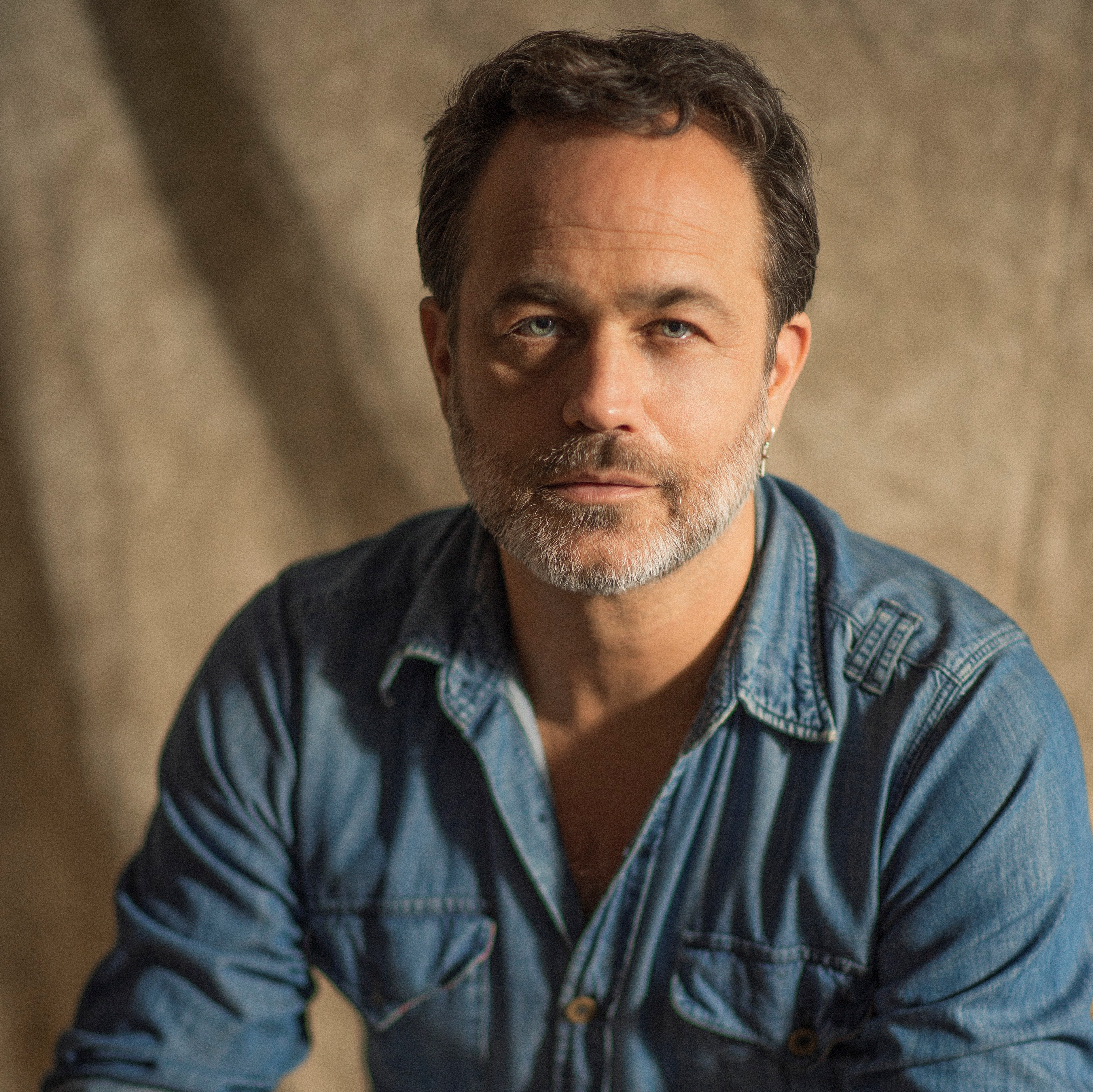
Born in Buenos Aires in 1972, Gastón, a member of a family of artists, began his career in 1994 on the hit television series Montaña Rusa. Despite the success of that first small screen project, Gastón turned his attention to the big screen and has built a solid career in film, beginning with his role in Territorio Comanche in 1996, and becoming one of the most prolific and successful actors in Argentina. He has shot more than 70 films in Peru, Chile, Uruguay, Spain, Italy, Cuba, United States, Croatia, Bulgaria. This year he will direct his first feature film, El Año Del Dragón.
In 2004, he founded the non-profit organisation Casa De La Cultura De La Calle. There, he works with underprivileged children from all over Latin America on addiction prevention and mental health. Its message reaches more than 18 million people. He is currently working on another feature film with them.

Santiago Roncagliolo has explored the darkness of human psychology and political history in books and screenplays.
He wrote the film noir La Pena Máxima (Paramount), based on his novel of the same name. He is also a screenwriter for thriller series such as Toda la Sangre (Disney Mexico) or Sutura (Amazon Brazil) and the documentary Muxes (HBO Max).
Two of his works have also inspired films: the novel Pudor, adapted in Spain by brothers Tristán and David Ulloa, and the theatrical comedy Tus Amigos Nunca te Harían Daño, available on Vix. Finally, one of his novels, La Noche de los Alfileres, has been staged at the Teatr Nowy in Poland.
His novels are published throughout the Spanish-speaking world and have been translated into up to twenty languages. Abril Rojo received the Alfaguara Prize and the English Independent Prize of Foreign Fiction; La Pena Máxima was a finalist for the French Black Violet Prize; Y líbranos del mal was on the list of the best-selling Peruvian novels for over a year; and his latest novel, El año en que nació el demonio, was among the best novels of 2023 according to Forbes magazine.
La Opinión de Málaga described him as "a solid writer, very solvent in the construction of complex plots, a creator of characters who are always interesting, and an insightful observer and narrator of the human condition".


















 X
X