







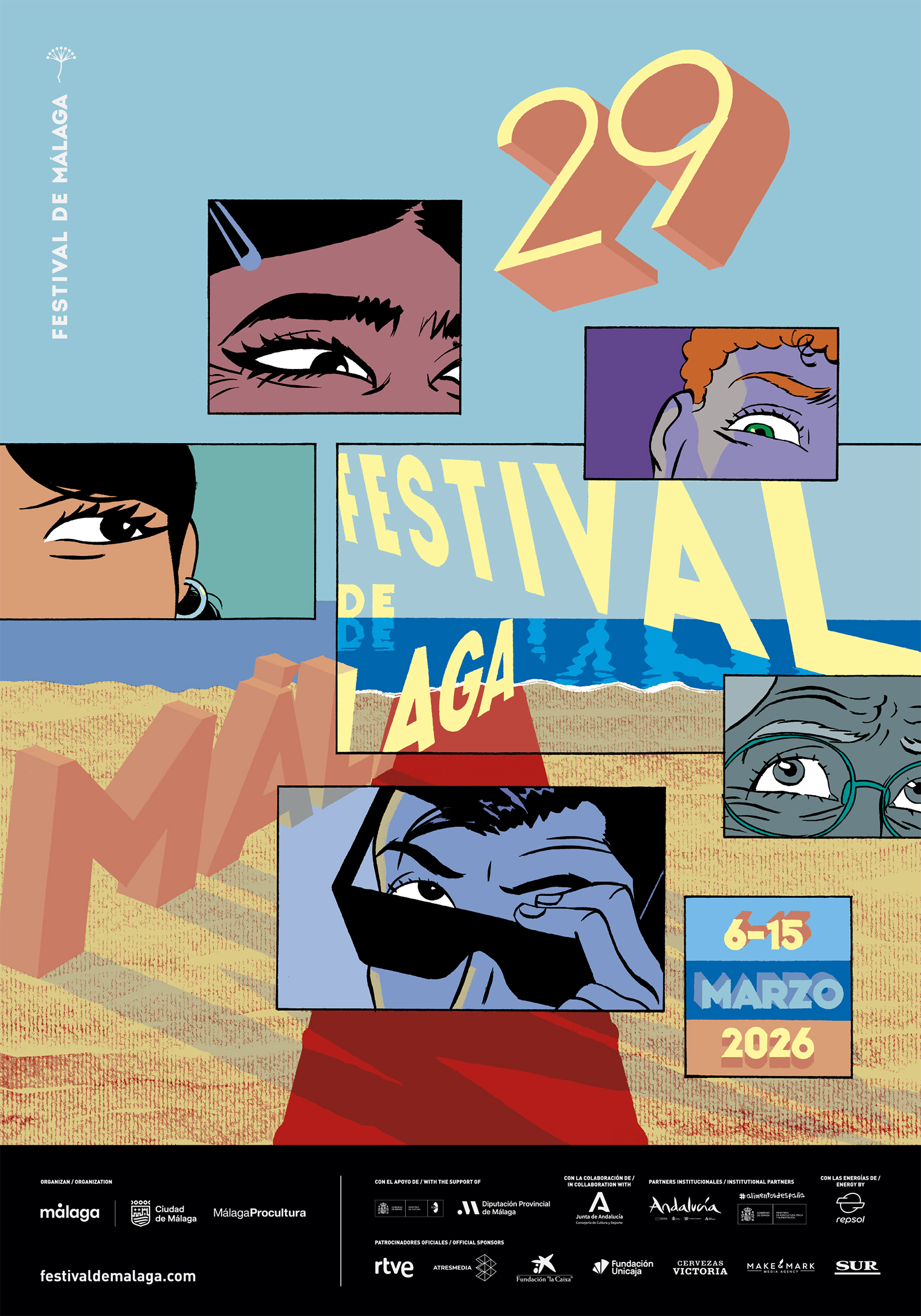
The 29th Festival de Málaga, held from 6 to 15 March, began with a motto that, by the end of the edition, has proven true: 'Culture is encounter, and Málaga, the best moment'. The festival concluded with a further increase in audience and participant numbers, as well as in its international prestige, reflected in the very high participation of industry professionals from 61 countries in its MAFIZ industry area. All of this comes in an edition that has been particularly complex in terms of travel, due to limitations in train transport from Madrid. The festival has addressed this by arranging charter flights for transporting guests to the opening and closing events, as well as transfers from Antequera station to Málaga, which has resulted in a significant and unforeseen financial outlay.
All of this has been made possible thanks to the support of the institutions and companies that participated in this 29th Festival de Málaga, organised by Malaga City Council and its Department of Culture and Historical Heritage, through Malaga Procultura, with the support of Malaga Provincial Council and the Ministry of Culture, through the ICAA; the collaboration of the Andalusian Regional Government, through the Department of Tourism and Sport and the Department of Culture; with Repsol as a multi-energy partner; and with the sponsorship of RTVE, Atresmedia, "la Caixa" Foundation, Cervezas Victoria, Iryo and Diario Sur.
The 29th edition of the festival screened 263 films, in addition to other activities such as the two performances of Luz Casal's closing concert, the large photography exhibition on Calle Larios curated by Amparo García, the La Villa del Mar space on Malagueta beach, meetings, presentations, and more, as well as the activities held in the Solidarity Space, in which 42 associations participated.
In terms of audience, the festival attracted nearly 111,000 spectators and participants to its various activities, including the 53,600 tickets sold, as well as those attending other activities with direct access, accreditation, or invitation. All this has resulted in takings of close to 360,000. This puts the festival's figures well above those of last year's edition, with an increase of almost 3.5% in spectators and participants.
The 29th edition of the Festival had 4,761 accredited attendees, of whom 1,817 were guests; 1,700 from 61 countries attended MAFIZ; 405 were film school attendees; and 839 were press professionals, including representatives from 25 international media outlets.
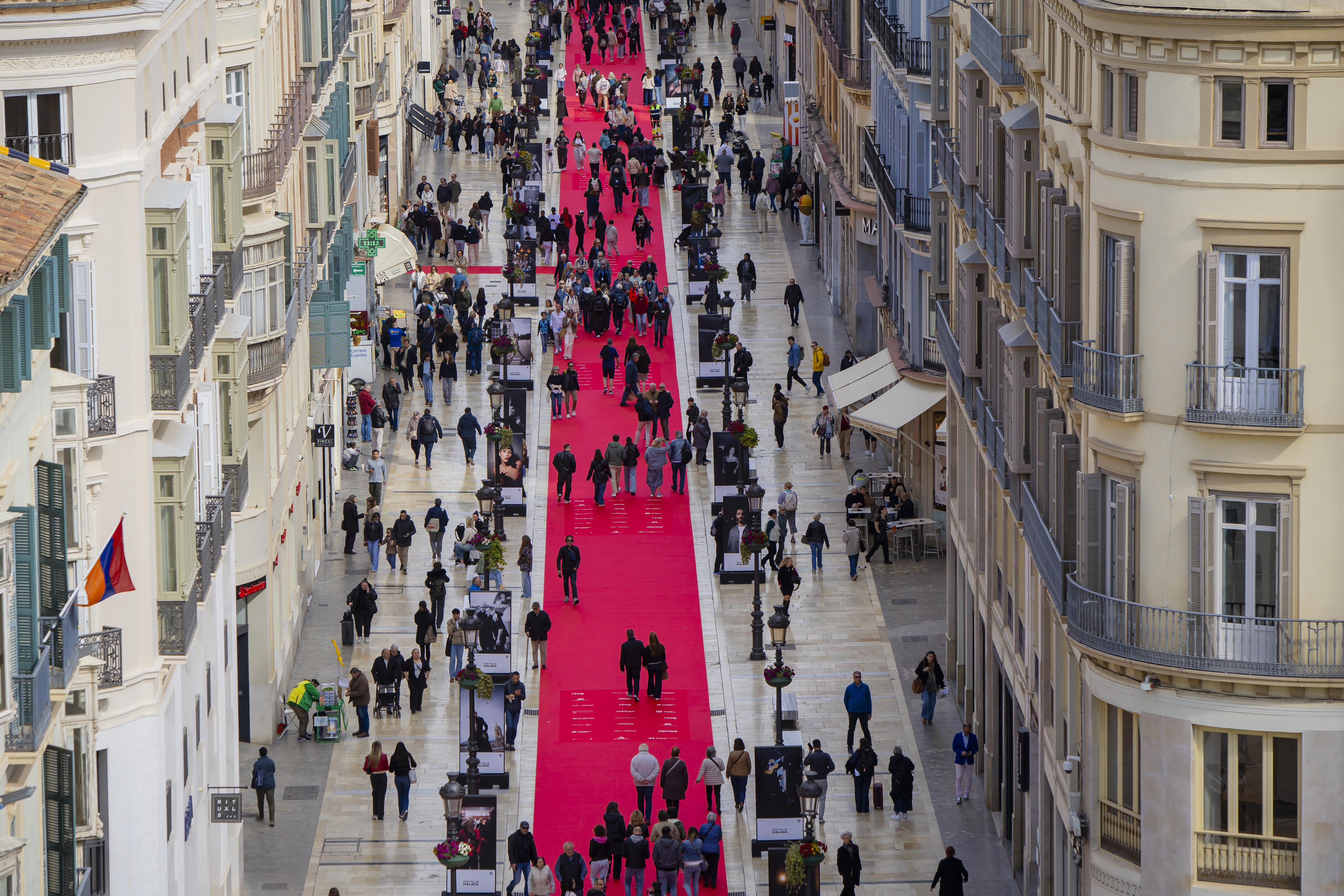
Calle Larios is ready for the 29th edition of the Festival de Málaga to begin.
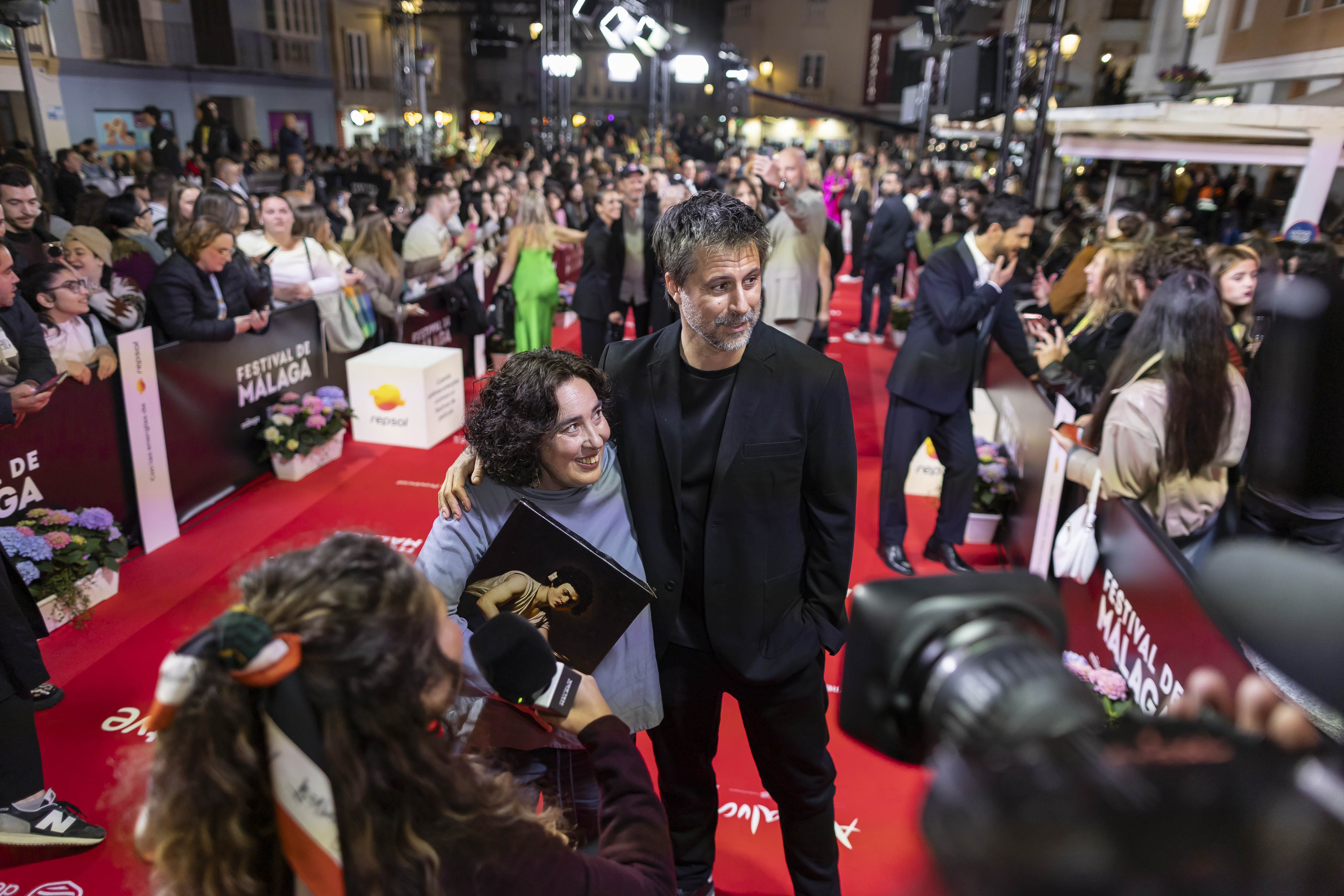
Every day the red carpet at the Cervantes Theatre is lined with curious onlookers and fans of the most famous faces in Spanish cinema.
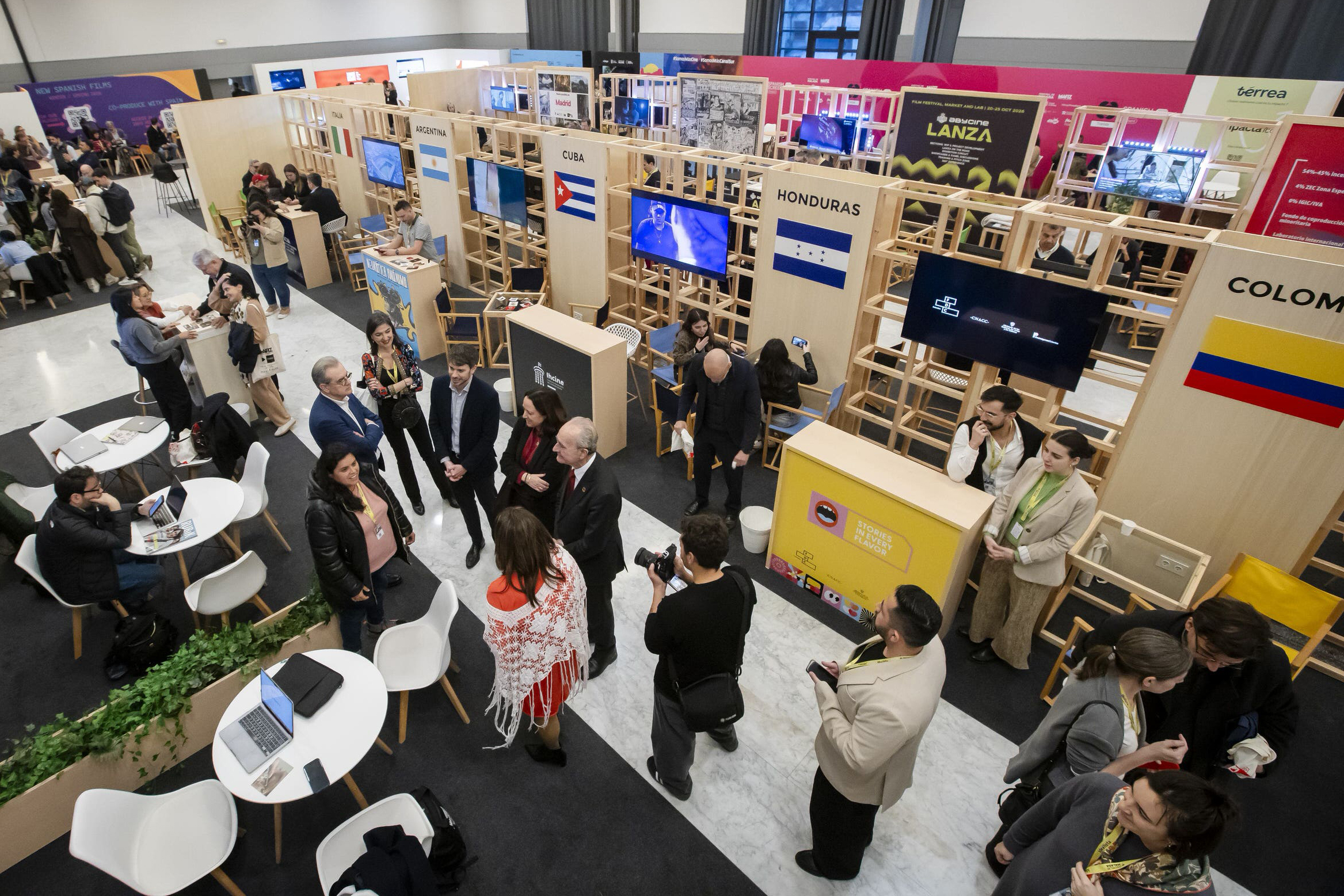
Mafiz, the Industry Area at the Festival de Málaga, is one of the meeting points for producers, creators and distributors.
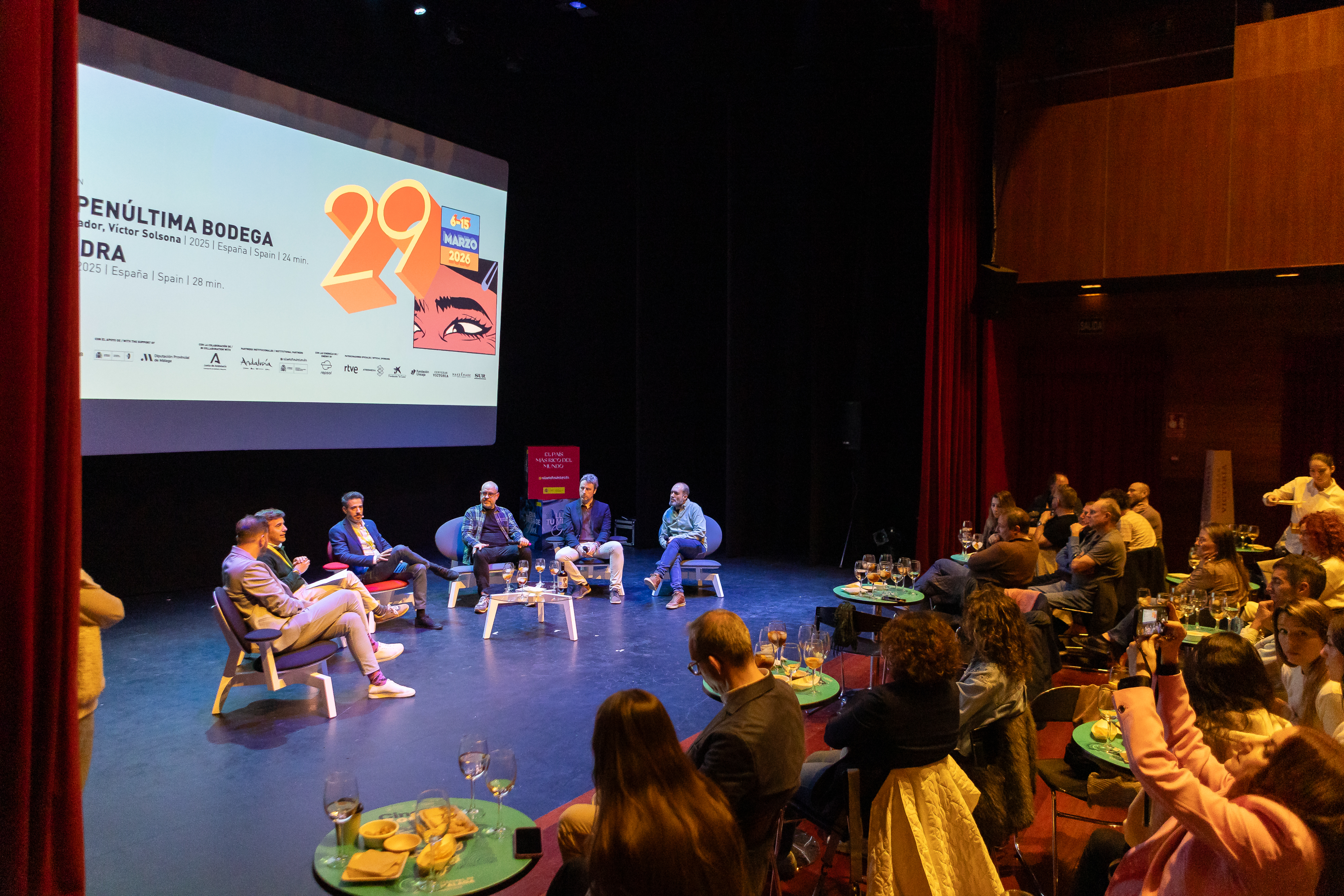
Our Cinema Cocina section turns the Echegaray Theatre into a meeting place where cinema and gastronomy come together.
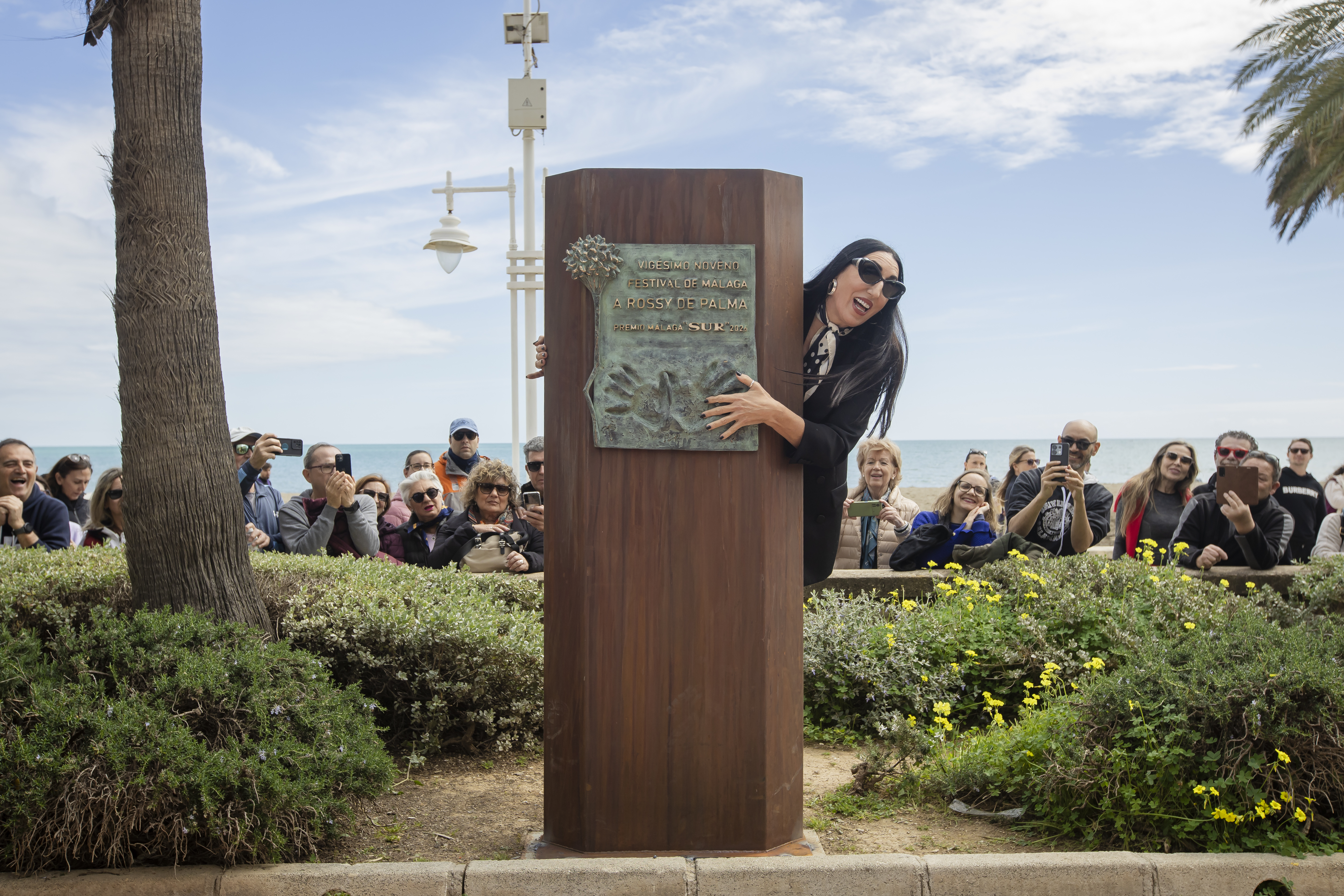
Rossy de Palma received the Málaga Award at the unveiling of the monument named after her.
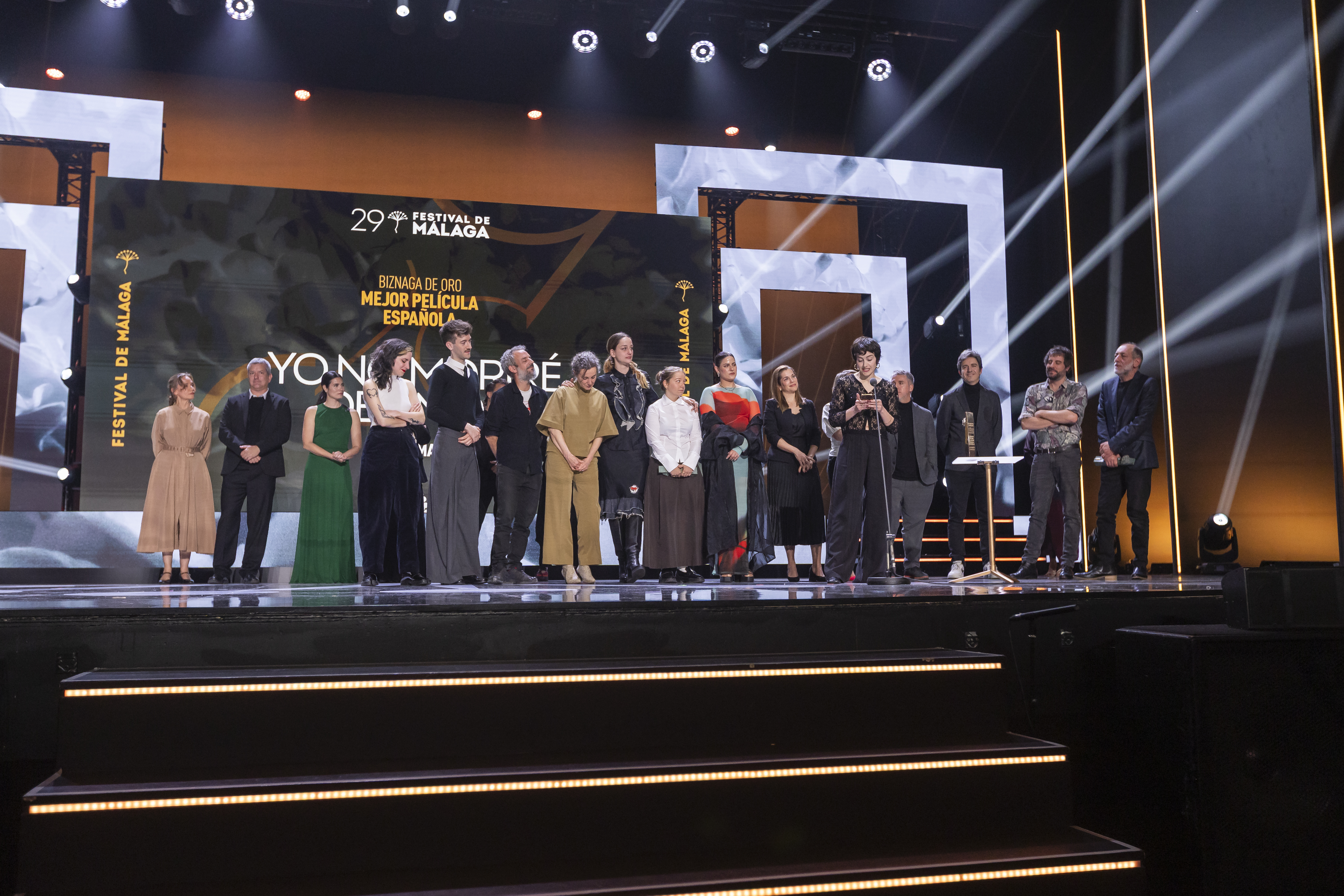
Marta Matute’s “Yo no moriré de amor” (I Won’t Die for Love) and Juan Pablo Sallato’s “Hangar Rojo” (The Red Hangar) won the awards for Best Spanish Film and Best Ibero-American Film respectively.


















 X
X