The Festival de Málaga reaffirms its position as a meeting point for Spanish-language cinema with 3.5% growth in its 29th edition
The festival welcomed nearly 111,000 attendees and participants to its screenings, activities, and exhibitions
The
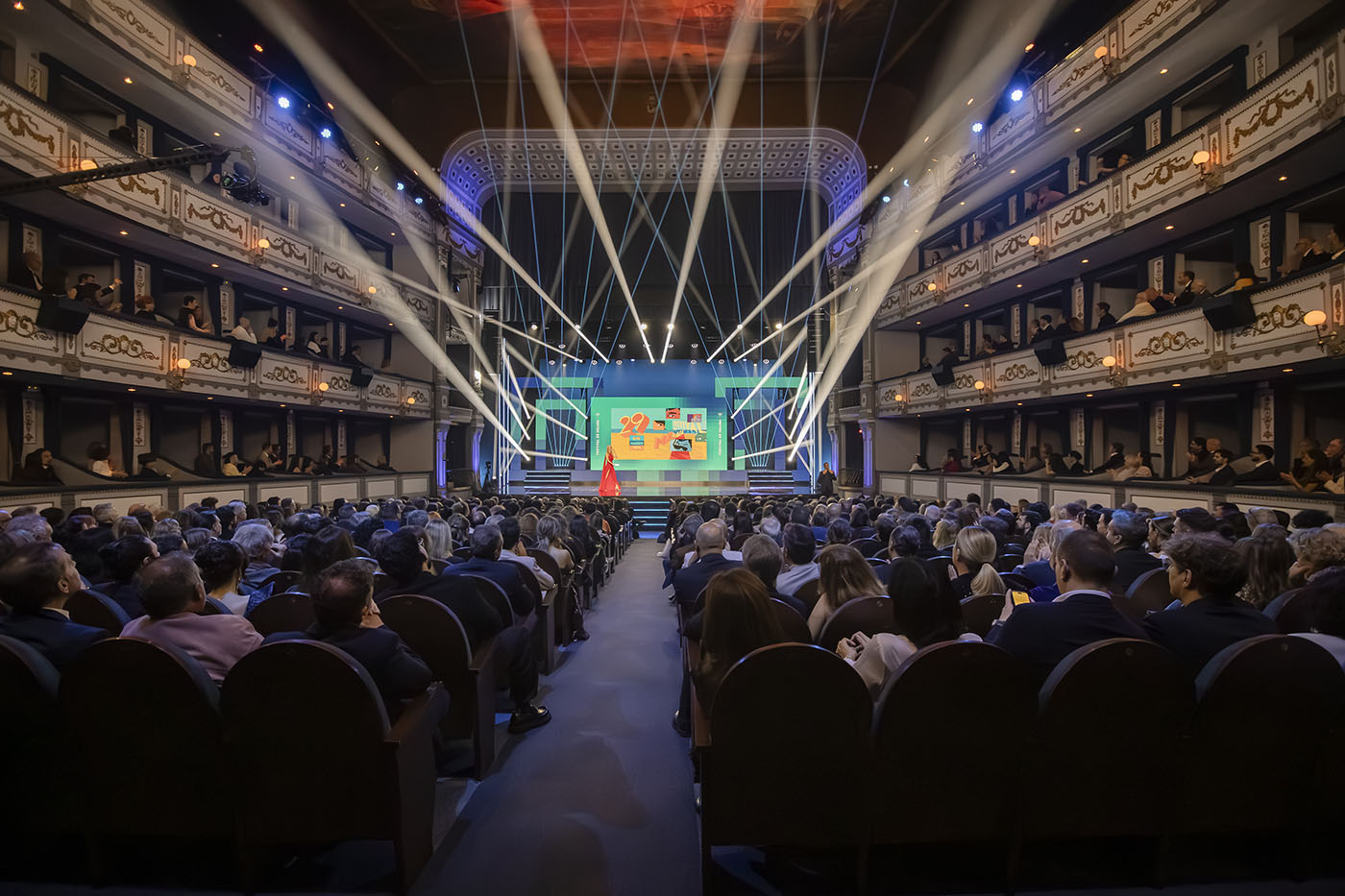
29th Festival de Málaga, held from 6 to 15 March, began with a motto that, by the end of the edition, has proven true: 'Culture is encounter, and Málaga, the best moment'. The festival concluded with a further increase in audience and participant numbers, as well as in its international prestige, reflected in the very high participation of industry professionals from 61 countries in its MAFIZ industry area. All of this comes in an edition that has been particularly complex in terms of travel, due to limitations in train transport from Madrid. The festival has addressed this by arranging charter flights for transporting guests to the opening and closing events, as well as transfers from Antequera station to Málaga, which has resulted in a significant and unforeseen financial outlay.
All of this has been made possible thanks to the support of the institutions and companies that participated in this 29th Festival de Málaga, organised by
Malaga City Council and its
Department of Culture and Historical Heritage, through
Malaga Procultura, with the support of
Malaga Provincial Council and the
Ministry of Culture, through the
ICAA; the collaboration of the
Andalusian Regional Government, through the
Department of Tourism and Sport and the Department of Culture; with
Repsol as a multi-energy partner; and with the sponsorship of
RTVE,
Atresmedia,
"la Caixa" Foundation, Cervezas Victoria, Iryo and
Diario Sur.
The 29th edition of the festival
screened 263 films, in addition to other activities such as the two performances of Luz Casal's closing concert, the large photography exhibition on Calle Larios curated by Amparo García, the La Villa del Mar space on Malagueta beach, meetings, presentations, and more, as well as the activities held in the Solidarity Space, in which 42 associations participated.
In terms of
audience, the festival attracted nearly 111,000 spectators and participants to its various activities, including the 53,600 tickets sold, as well as those attending other activities with direct access, accreditation, or invitation. All this has resulted in takings of close to 360,000. This puts the festival's figures well above those of last year's edition, with an
increase of almost 3.5% in spectators and participants.
The 29th edition of the Festival had 4,761
accredited attendees, of whom 1,817 were guests; 1,700 from 61 countries attended MAFIZ; 405 were film school attendees; and 839 were press professionals, including representatives from 25 international media outlets.
As for
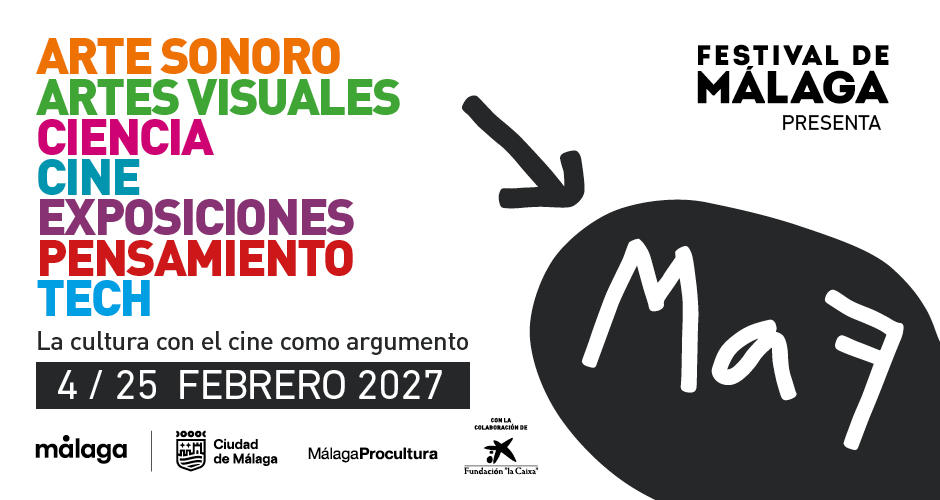
MaF - Málaga de Festival, the expanded programme of the Festival de Málaga, it brought together 15,000 people from 12 February to 5 March for the 125 activities that made up this edition, distributed across 55 collaborating venues, and with the participation of more than 150 creators.
"la Caixa" Foundation is the main collaborator of this event.
The industry festival
MAFIZ, the Festival de Málaga industry area, had 1,700 people accredited from 61 countries. Events in this area include
Spanish Screenings Content, in collaboration with the Ministry of Culture through the ICAA (Institute of Cinematography and Audiovisual Arts), ICEX España Exportación e Inversiones, the Regional Ministry of Culture and Sport of Andalusia, the Ministry for Digital Transformation and Public Function, and the San Sebastian Festival. Spanish Screenings Content presented 159 films with almost 1,131 viewings.
Numerous professionals attended
Málaga Short Corner, including representatives from prestigious international festivals. In this section, 485 works were entered and 56 selected, making up a very representative panorama of the current state, quality and diversity of Spanish short films. Among the new features was the creation of the RTVE Talent – Málaga Short Corner Award for short film projects.
Within the framework of MAFIZ, the
MAFF Málaga Fund & Co-production Event also took place. This training and funding event for fiction and non-fiction projects from Ibero-America reached a scale that solidifies its position as an essential event on the international industry calendar. 49 projects in development and delegations from companies in six key regions participated in a comprehensive programme that included business showcases, workshops on innovative methodologies and trends, and an intensive schedule of over 720 networking meetings between representatives from 21 countries. Two of the participating projects were part of the
MAFF Women Screen Industry event, organized by the Festival de Málaga in collaboration with three women filmmakers' associations with the aim of advancing gender equality.
Within MAFF,
Warmi Lab, the Festival de Málaga’s initiative created to reduce the skills gap in the audiovisual industry and empower women producers from Latin America and Spain, featured 12 participating projects this year, from various
regions including Brazil, Colombia, Costa Rica, Panama, Mexico, Peru, and Spain.
Fifteen films in post-production were presented at
Málaga Work in Progress. In addition to the five titles from Málaga WIP España, there were 10 Ibero-American films from seven countries (three of them presented by Panama as the guest country in Latinamerican Focus). Of particular note is the collaboration with Abycine Lanza, within the joint project ‘El Impulso’.
Panama was the guest of honour and featured country at
Latin American Focus 2026, which welcomed 42 participants who showcased the country's impressive audiovisual talent.
Meanwhile, in its strategy to position itself as a talent incubator, Festival de Málaga brought together 21 young Spanish and Latin American filmmakers for the
Campus Málaga Talent training and networking programme, and 20 digital content creators for
Hack MAFIZ Málaga. The latter, selected from 14,000 applicants, presented the latest creative challenge proposed by the Festival de Málaga, as well as having the opportunity to participate in talks, training sessions, and mentoring with experts from leading international platforms, companies, and agencies in the sector.
The
Industry Club Village hosted 50 stands, including film institutes from the main Ibero-American countries (16 countries represented), Spanish autonomous regions (12), sales agents, film commissions and institutions, thus completing the participation of sector professionals at MAFIZ.
Among this year's new features, in addition to the business showcases and workshops from the delegations of six key territories participating in MAFIZ, is the
Andalucía International Audiovisual Networking programme, an initiative created to boost the internationalisation of the Andalusian audiovisual ecosystem. The programme brought together 30 Andalusian companies and 20 international decision-makers from some of the world's leading audiovisual markets. Over the course of the event, 167 one-to-one meetings were held, generating opportunities for development, financing, and international co-production.
Andalucía International Audiovisual Networking is co-financed by the Andalucía 2021–2027 ERDF Programme and the Regional Government of Andalusia through the Regional Ministry of Tourism and Andalucía Exterior.
The new
Trends event also took place, a new professional programme within MAFIZ whose objective is to explore trends in the audiovisual sector, connecting culture, technology, and innovation, and promoting internationalisation and networking among audiovisual professionals. It was organised into three main areas: series, animation, and music related to audiovisual media.
Another new programme in this edition was the
Golden Talks, a series of conversations and masterclasses with leading figures in the audiovisual industry within MAFIZ, which brought together international producers, directors, screenwriters, and executives to share their experience. The sessions addressed creative processes, production, and
industry trends.
This year, the second edition of
La Villa del Mar was held on La Malagueta beach. Created by the Festival de Málaga in collaboration with the Polo Digital, it showcases the synergies between the audiovisual and cultural industries and new technologies, exploring the possibilities they offer. It has once again become a meeting point for the festival, where entertainment, technology, creativity, and sustainability merge with the audiovisual world. 10,500 people attended the hundred or so activities organised with sponsorship from Google and Olin.
Dissemination on the internet and social media
With regard to the Festival's online presence, according to Google Analytics data, the Festival website (
www.festivaldemalaga.com) had almost 72,000 users and 143,000 sessions between 11 February and 15 March, with almost 630,000 page views.
The 29th Festival de Málaga concluded its edition with very positive results on social media, reaching a total community of 269,305 followers across Instagram, Facebook, X, TikTok, and YouTube. During the period analysed, the Festival's accounts gained 12,126 new followers and registered 16.65 million impressions and 387,140 interactions, confirming the growth of its digital ecosystem.
Direct festival spending in the city of Malaga
In its 29th edition, the Festival de Málaga has made a significant
economic investment in the city across its various production and service sectors. The festival's contracts with Málaga-based companies, professionals, and staff amount to €740,000, while the contracting of production services (audiovisual, lighting, sound, etc.) totals €400,000. Hotel and catering services are valued at €965,000, while those linked to communication, media and image amount to €270,000.
All of this means that the festival's budget management in 2026 has resulted in a
total direct expenditure in the city of Málaga of €2,375,000.
In detail, this investment has meant the hiring of 240 temporary staff (public relations, production staff, content, press, etc.), as well as 33 local collaborators and the hiring of more than 150 companies from Malaga for the different logistical and production tasks for festival activities.
Dates for the 30th edition
Finally, the Festival has set the dates for its 30th edition, which will take place from 26 February to 7 March 2027.