The Cápsula del Tiempo at the Festival de Málaga celebrates the value of forgotten Spanish cinema through genres
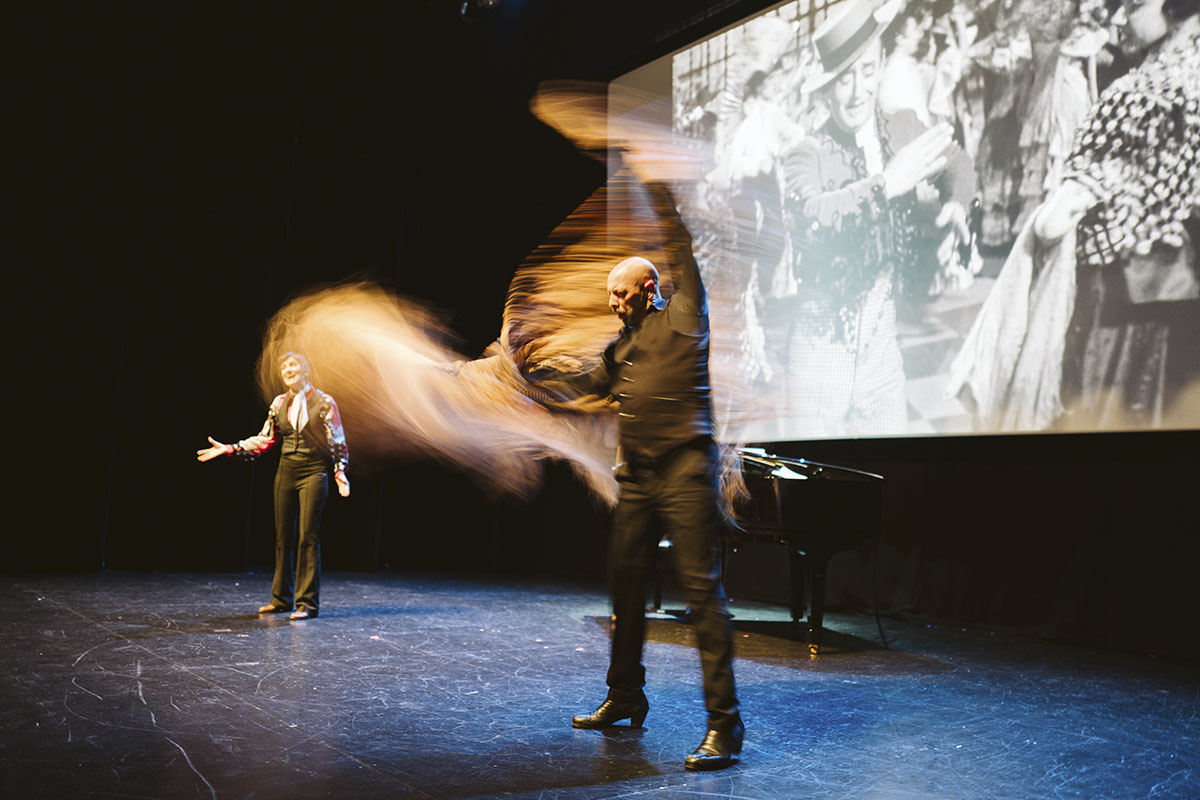
The section will feature three films from the 1950s accompanied by musical performances related to the movies
The Cápsula del Tiempo (Time Capsule) returns to the Festival de Málaga for its third edition, solidifying its position as a space dedicated to showcasing Spain's cinematic past. At the Echegaray Theatre under the theme 'Imagining genres', the series will explore films from the 1950s that reflect the dialogue between the codes of classic Hollywood cinema and an identity shaped by the Spanish cultural imagination.
Presented by Luis E. Parés, the series will show how the influence of mass culture, popular novels, and American cinema led various filmmakers to experiment with genres uncommon in the Spanish tradition. However, these references were reinterpreted through a unique language, combining traditional Spanish humour, musical elements, and an absurdist tone that would ultimately become one of the hallmarks of the best Spanish cinema.
The first day, Friday 6th March will feature a screening of Tenemos 18 años (We are 18 years old) (Jesús Franco, 1959), an adventure comedy that plays with imagination and the desire for escape through the journey of two young people who transform reality into fiction. The session will conclude with the theatrical performance El viaje (The Journey) performed by Luna Navajas, a stage piece exploring the idea of fantasy as a space for resistance and self-knowledge.
On the second day, Saturday 7th, the audience will have the chance to see Niebla y sol (Fog and Sun) (José María Forqué, 1951), a melodrama with music and dance that explores emotional relationships, sacrifice and artistic creation. Actress Sofía Barco will accompany the screening with the monologue La estrella sin hombre (The star without a man), a piece conceived as a theatrical reflection on the female character and her need to find her own voice beyond the conventions of the time.
The series will conclude on Sunday, 8 March, with the screening of Entierro de un funcionario en primavera (Funeral of a civil servant in spring) (José María Zabalza, 1958), an ensemble comedy that, through a succession of characters and absurd situations, ironically portrays daily life and the bureaucratic world. The session will end with Una pieza en creación (casi) en primavera, performed by Laura Ortiz, Manué Cañá and Paloma Lirola, bringing the audience closer to the theatrical creative process itself and reinforcing the tribute to the director.
With this third edition, La Cápsula del Tiempo reaffirms its objective of recovering forgotten Spanish film heritage and giving visibility not only to the future of cinema but also to its past.
Share