The 29th Festival de Málaga celebrates the value of the everyday in cinema at its opening gala, presented by Kira Miró
The ceremony featured musical performances by Sanguijuelas del Guadiana, Las Migas and Lia Kali
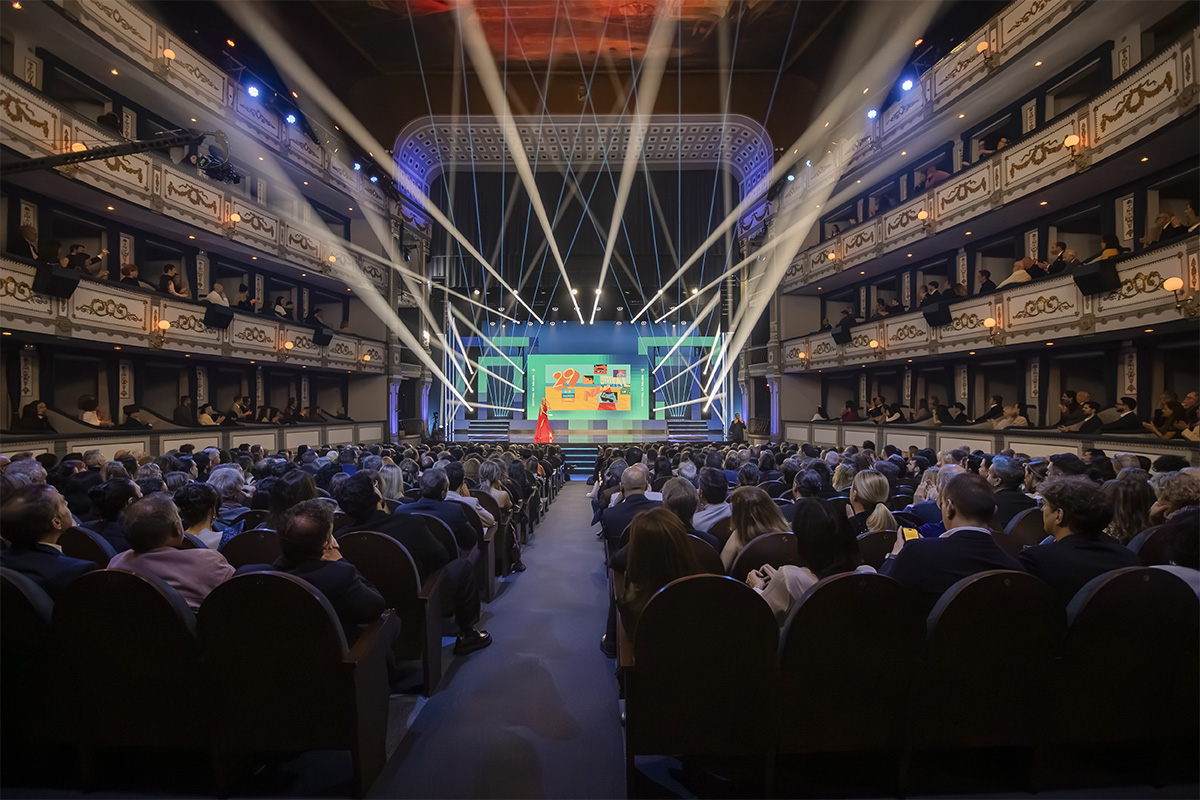
The 29th edition of the Festival de Málaga kicked off on Friday 6 March with an opening gala presented by actress Kira Miró. At the start of the ceremony, actor and comedian Salva Reina, who hosted last year's gala, symbolically passed on the baton to Miró in a nod to Malaga tradition: dressed in a Malaga scarf and carrying the mayor's staff of a "verdiales” band, he invested Miró as "adoptive Malagueña" and new host of the Festival.
Following the performance of the Extremaduran group Sanguijuelas del Guadiana, who performed their song Revolá, Kira Miró welcomed the audience, claiming her personal link with Malaga and its province and highlighting that what makes this cultural event extraordinary is the same thing that makes Spanish cinema extraordinary: "the little things, the everyday".
In her speech, the actress underlined that Spanish cinema "does not live just on epic moments", but on its capacity to convey truth through relatable stories, recalling recent films that have screened at the Festival such as Sorda, Segundo premio (Sorda, Second Prize) and 20.000 especies de abejas (20,000 Species of Bees), examples of that intimate perspective that connects with the audience through authenticity.
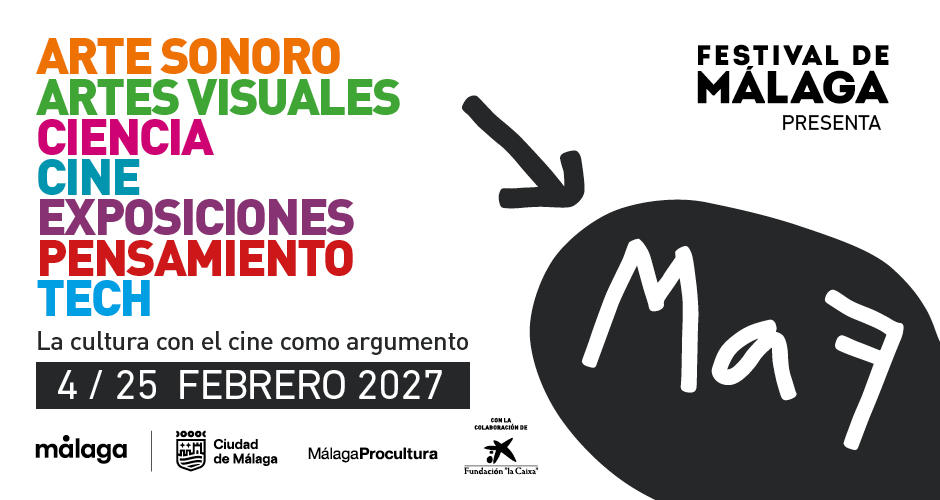
The presenter also highlighted the Festival's role as a meeting point for the sector thanks to MAF - Málaga de Festival. This cultural prelude has transformed the city into a great stage with more than 125 events and 150 creators in 55 different venues, creating the perfect atmosphere for the start of this 29th edition.
The gala also served to introduce the jury for the Feature Films Official Competition, composed of the director of the Morelia International Film Festival, Daniela Michel; writer and screenwriter Santiago Roncagliolo; actress Loreto Mauleón; director Belén Funes; actor and director Gastón Pauls, and writer Rosa Montero. The winner of the Concha de Oro at the Festival de San Sebastián and president of the jury, the filmmaker Jaione Camborda, addressed the audience before giving a preview of the content and sections of this year's edition: "We on the jury are very excited to be part of this year's edition of such an important festival as the Festival de Málaga. We take on this responsibility with respect, commitment and love for cinema. In such a turbulent and sometimes brutal world, we hope to glimpse some light on the screen".
The ceremony reaffirmed the Ibero-American character of the competition, which for the ninth consecutive year builds bridges between Spain and Latin America and welcomes works from 71 countries. In this context, the Argentinean actor Gastón Pauls highlighted the importance of co-productions and collaboration between the two sides of the Atlantic as a driver of growth for the Spanish-language audiovisual industry: "These collaborations always enrich and create community. I think there is nothing more rewarding than learning from diversity”.
The Festival has once again underlined its commitment to emerging talent, with 30% of first works in the Official Competition, and to the female perspectives that have historically marked its identity. The work of MAFIZ, the industry area, and the consolidation of La Villa del Mar, located at Malagueta Beach, as a hub for technology, culture and professional meetings were also highlighted.
Music took centre stage again at different points throughout the evening with a performance by Las Migas, who performed a cover of Mediterráneo, and the closing performance by Lia Kali, with Cantaré.
In the tributes section, the 29th Festival de Málaga will present the Biznaga Ciudad del Paraíso Award to Victoria Vera, and the Málaga – Diario Sur Award to Rossy de Palma.
During the gala, Rosa Montero and Loreto Mauleón were tasked with announcing these awards. Montero emphasised that "our award winners make cinema, theatre and television a space full of truth. Thanks to their careers, they form part of our cultural memory"; while Mauleón pointed out that this year's Ciudad del Paraíso award goes to "an actress who is a reference point for all the generations that have come after us". The Málaga Hoy Retrospective Award will go to Peruvian director Francisco Lombardi; the Ricardo Franco – Film Academy Award will recognise production manager Manuela Ocón, and the Málaga Talent La Opinión de Málaga Award will go to director Alauda Ruiz de Azúa. Actors Natalia Oreiro and Saturnino García, filmmakers Mariano Cohn and Gastón Duprat, and posthumously, Argentine director Fabián Bielinsky will also receive the Biznaga de Honor.
The Película de Oro Tribute of this edition will be El desencanto (The Disenchantment), directed by Jaime Chávarri. Released in 1976, this documentary portrays the family of the poet Leopoldo Panero and is a key testimony to the collapse of Franco's regime. Over time, it has become a key work in the history of Spanish cinema.
In the final part of the gala, Kira Miró reflected on the collective experience generated in a cinema hall, recalling that "cinema is not only what happens on the screen, but also what happens among us". With this idea of gathering and shared emotion, and following the official opening of the 29th Festival de Málaga - which over the next few days will once again turn the city into the great meeting point for Spanish cinema - those present were able to enjoy the film Calle Málaga (Malaga Street), directed by Maryam Touzani and starring Carmen Maura.
Share